
India Surf Spots
Wikipedia of Surfing in India
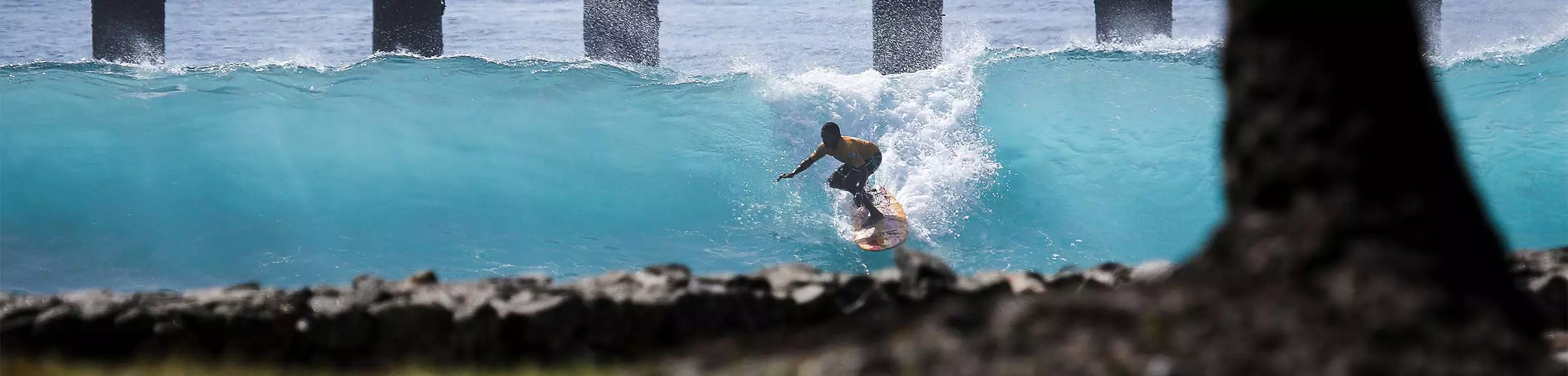
The sub-continent of India has 7,000 kilometers of coastline. Most of that is unexplored, never before surfed, and just waiting for you.
Well, Welcome to Surfing India! Your ultimate surf trip destination guide. Here in this article, we list out the best India Surf Spots. The sub-continent of India has 7,000 kilometers [4,349 miles] of coastline. The greater portion of that is still unexplored in terms of locating surf spots. But with that much exposure to the Arabian Sea, the Indian Ocean and the Bay of Bengal and with nothing off the southern tip of India for thousands and thousands of kilometers except Antarctica- with that much ocean out there, you know there are going to be some great waves when the conditions are favorable. You’re right, there are!
Namsate! Are you looking for India Surf Spots?
Explore India’s diverse surf spots, each with its own unique charm. From the tropical paradise of the Andaman Islands to the lively shores of Goa, and the pristine waves of Mulki, India offers an array of surfing experiences waiting to be discovered.
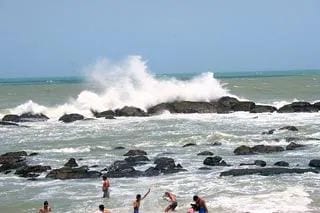
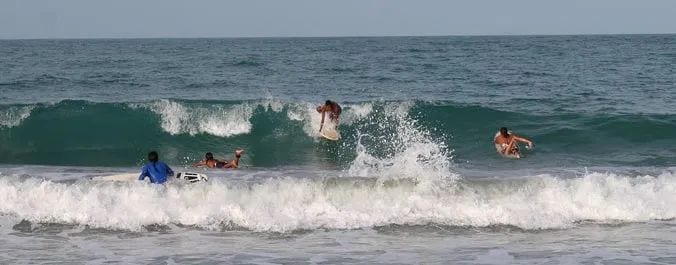
There are waves in India all year round averaging 3 to 5 feet but the season for big waves [8 feet plus] is May through September. This is the pre-monsoon and monsoon season. At this time the surf will range from 8 to 15 feet and bigger — often blown out and messy but sometimes the conditions are fantastic — super glassy and offshore winds, at which time you can expect some world-class waves.
But before continuing about surfing in India there is one little bit of information that you might find interesting — the word ‘SURF’ came from India.
If there is anyone word that surfers use the most it is probably ‘SURF’. After all, where would surfing and surfers be without surf? Surf is everything. But did you ever stop to wonder where the word ‘surf’ came from? I did and what I found out from an Etymology Dictionary was that the word ‘surf’ came into use in 1685. The word ‘surf’ was derived from the Indian word ‘suffe’ meaning the coastline. This word was picked up by Portuguese sailors in the 1600s and ‘suffe’ soon became ‘surf’.
On the west coast, the swell direction is usually best when coming from the south or west, although an occasional north swell does get good. On the east coast, the swell is almost always from the south or slightly southeast direction. Along the 7000 kilometers of coastline in India, there are at least 200 surfable river mouths. River mouths usually have distinct and consistent sand bar formations created by the river flow and these make for very good breaks — like beach breaks but with a lot fewer closeouts.
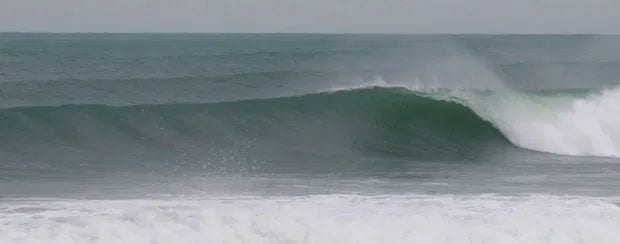
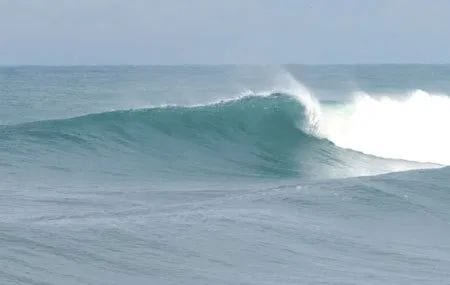
Straight long beaches are also a dominant feature of the Indian coastline. There you will find your usual beach break waves — closing out when it gets big but lots of fun on smaller days. Then there are the bays, coves, and points on the coast. How many are there? Too many to count and most have never been surfed.
October through December the big swells decline and it gets back to normal (3 to 5 feet). From January through April, there are sometimes bigger swells both on the east and west coasts created by small storm systems, and somedays we will get waves up to 6 and 7 feet, depending. Mornings are almost always glassy until about 10:30 AM and many mornings have offshore winds, sometimes lasting the whole day.
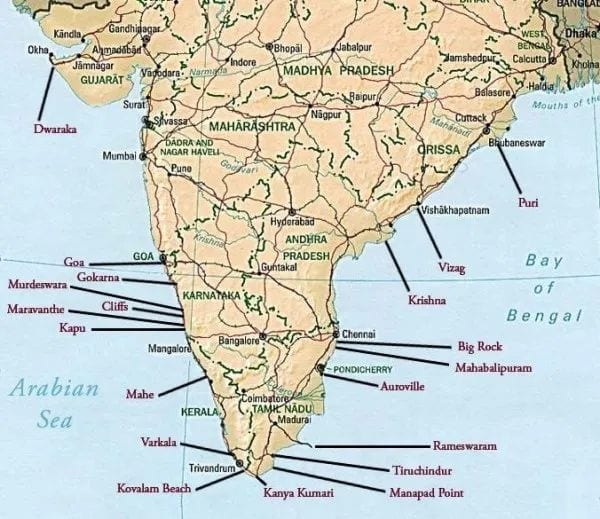
The biggest swells of the year are almost always on the west coast from Dwaraka [extreme northwest] to Kanya Kumari [extreme southern tip]. June of 2007 saw outside breaks up to 20 feet at our home break and at the Mangaluru Jetty [breaking one kilometer out to sea]. Yes, India really does get some big waves during the monsoon season. Big waves and lots of rain!
Murudeshwar
Shivas is a popular Hindu holy place situated on a small peninsula jutting out into the Arabian Sea at Murdeshwara.
As with all of South India the place is intensely tropical with thousands of coconut, mango, and banana trees growing along the beach.
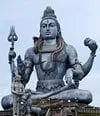
On the peninsula is a huge statue of Shiva. Everything that happens at Murdeshwara happens under the watchful eye of Shiva, the master of meditation.
On either side of the peninsula, there are large sheltered bays that make for ideal surfing conditions even during onshore NW or SW winds. This place breaks from one foot to 10 feet depending on the time of year. Murdeshwaraha’s great hotels and several vegetarian restaurants, one of which is built on pilings raising out of the ocean. This also makes for a great place from which to do some surf photography on big days.
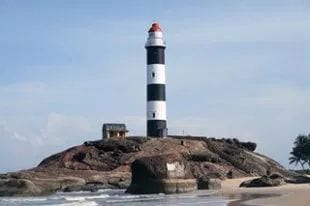
Kapu
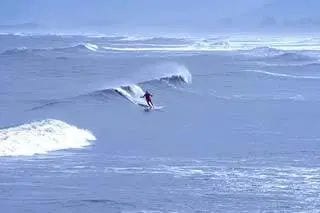
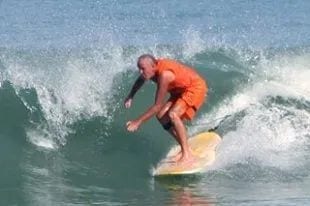
Kapu Beach Lighthouse is a great spot that breaks best at low tide with four feet and bigger swell. The stretch of beach runs for about one kilometer and there are several places where nice shaped peaks with lefts and rights swell up.
“At the north end of the beach is the Kapu lighthouse perched on a huge granite boulder. On the south side of the rocks is a right-hander that is a short but fast ride. Watch out for the rocks underwater!
Ten Thousand Peaks
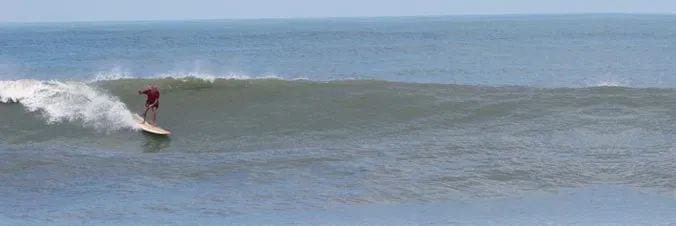
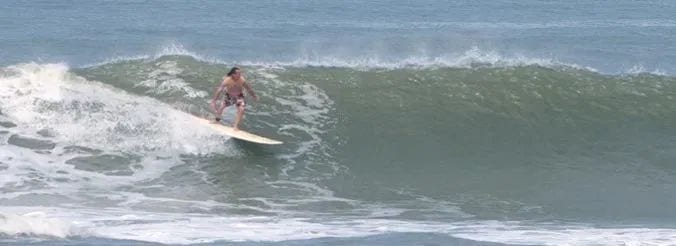
Ten Thousand Peaks has got to be one of the most unique surf spots on the west coast of South India at Maravanthe.
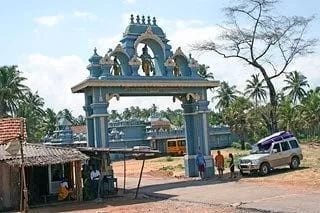
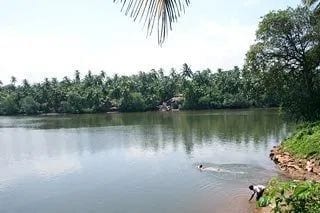
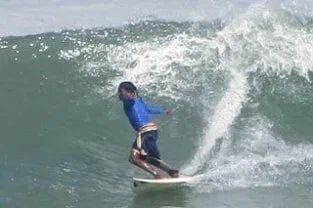
We call this place “Ten Thousand Peaks” -once you have seen it you will know why. The beach stretches for about six kilometers creating all sorts of wave possibilities. There is one section of the beach where a two-lane highway runs parallel to the ocean within 15 meters of the water’s edge and on the opposite side of the highway is a big freshwater lake.
In the lake are several islands with villages on them and there is an ancient 2,000-year-old temple of the Sri Narasimha avatar, the incarnation who destroys evil and protects children. Surf until your arms are ready to drop off and you can’t stand up anymore, then wash off in a freshwater lake and visit an ancient temple – all in one stop. What a fantastic place!
Cliffs
Cliffs is a couple of hours drive north from our home break to Bhatkal. Wow, this place is paradise! Four consecutive coves, white sand beached, isolated area, cliffs, no sharks, no people, and lots of opportunities — rights, lefts, inside, outside and it is all yours. All you have to do is get there! No maps to guide you so call us first.
Kanyakumari
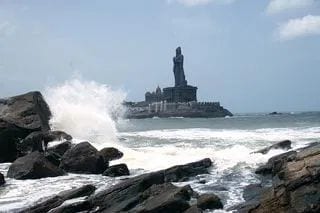
Kanyakumari is the southernmost tip of India. It could well be one of the windiest places on Earth. The swell gets big here but is usually blown out. An occasional offshore wind comes along from time to time and then you get some good waves. If you know any windsurfers then tell them to head to Kanya Kumari and they are sure to get some big windy waves. There is an island just off the tip and on it is a massive statue of the Tamil saint and poet, Tiruvallur. I wonder if he surfed?
Alwars
Alwars  is potentially the best surfing spot in India [southeast coast] at Manapad Point. It is far off the beaten track and not so easy to find.
The point is beautifully formed by millions of years old lava flow that extends into the water. When the rights are working you can expect up to a 400-meter ride [or more], so be prepared for some long walks back to the point.
In front of the point there are some good hollow lefts and when it really gets big [and it does] the break starts in the center of the bay and starts to look like some of the spots on the north shore of Hawaii. This spot gets a lot of south wind but when the wind is offshore it produces waves that will make you howl!
Rameshwaram
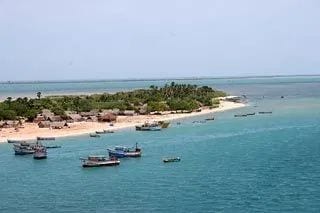
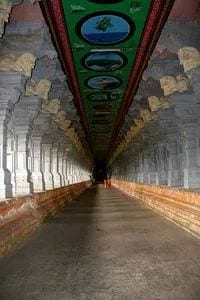
Rameswaram is about as out of the way as it gets on the India surf tour. The place gets its name from the epic Ramayana where in Sri Rama camped here before proceeding to the island of Lanka to conquer the demon king, Ravana. An amazing temple was built here in ancient times.
The surf is usually not that good in this area but there is a gnarly shore break that will test your skills. If you get there on an offshore day then you will have some good surf.
The water is as good as it gets on mainland India, clear and clean. There are plenty of offshore islands that have yet to be explored for surf. Maybe you will be the first to do it.
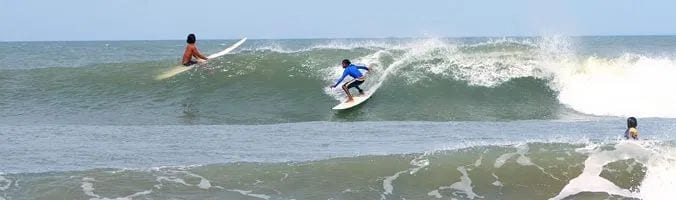
Shore Temple
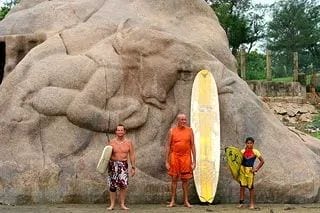
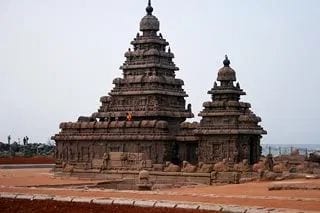
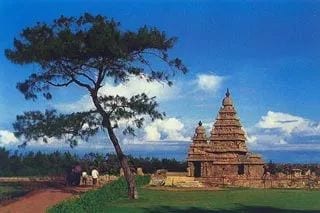
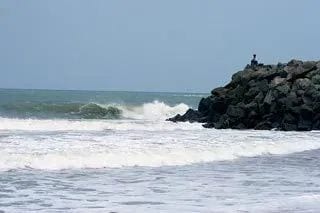
Shore Temple is well known on the India surf tour for some great hollow rights located at Mahabalipuram.
The World Heritage Foundation has piled granite boulders around an ancient Vishnu temple [built by the Pallava Kings] at the beach to keep it from tumbling into the sea and this has also developed into an awesome break.
The break is over sand but at low tide, you can easily break a board or your neck if you are not careful. The ride is up to 150 yards long and expects to get barreled as often as you like. Surf until you can’t paddle for another wave then rent a cozy beach cottage, rest up, and do it again tomorrow!
Tiruchendur
Tiruchendur is a temple town and has some good little waves breaking over a rock shelf just 200 yards south of the temple.
Pilgrims gather at the beach near the temple to have a dip in the ocean and to them, this is a spiritual experience, a cleansing of the soul. We hope they never find out about surfing since tens of thousands of temple pilgrims take the sacred dip in the ocean every day.
If surfing ever caught on in India [with a one billion population] it would make the crowds of Malibu Beach look deserted! The town has several good hotels and this is a suitable place to base if you have come to surf Manapad Point only eight miles south.
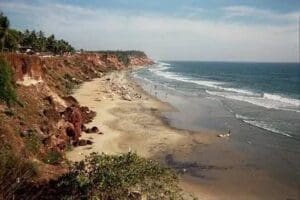
Varkala
Varkala is not far to the north of Kovalam Beach. The spot is a beach break but when it is working it gets exceptionally hollow rights and left. The ride isn’t that long but it’s fast!
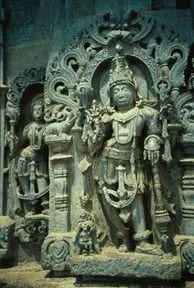
The area is alive with tourism and people coming to India to recuperate their health at one of the local nature cure clinics and mineral water springs. There are also several ashrams in the area if you are into meditation and there is a very ancient temple of Sri Janardhana [Vishnu] to visit just off the beach. The locals are quite friendly and if the surf is up you will have a great time at Varkala.
Mahe
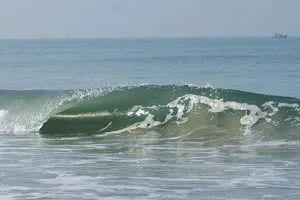
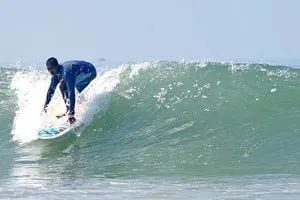
Mahe is a place in Kerala that we used to surf in the 70s and 80s but we have not been there in some time. From Madayi Point, north of Mahe, to Talakkolattur river mouth, south of Mahe [ a distance of 60 kilometers], there are numerable good breaks.
Finding them on a roadmap is very difficult. You will just have to rely on your sixth sense to get you there. But when you find the waves you will be stoked.
Krishna River
The Krishna River enters the Bay of Bengal and divides itself into many streams. The area is marshy and difficult to access but has many good waves in store for those who are determined to get there.
To date, we know of only a handful of guys who have ridden this place. Maybe you will be next.
Big Rock
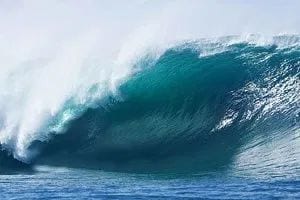
Big Rock [south of Chennai] is located off the point at Fisherman’s Cove. The point itself is the most consistent break in that area but when the wave height is there and the tide is just right then a submerged rock shelf in the cove produces one really awesome left barrel.
The ride isn’t long but hang on for dear life because this wave gets as hollow as they come.
Auroville
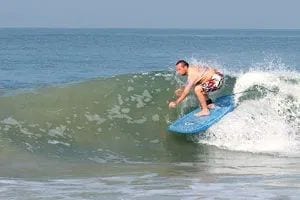
Auroville, otherwise known as Pondicherry, is a very unique place, a mix of Indian and French. The spot is your typical beach break with a river mouth that sometimes works just south of the town. The swell is usually blocked by Sri Lanka but the place occasionally does get a few good waves.
There are a few local surfers in Pondicherry and a few European surfers who also live there permanently. If you go to Auroville the locals will point you in the right direction for some waves.
Vizag
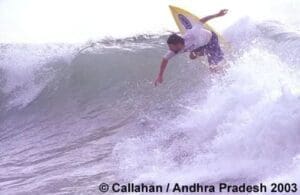
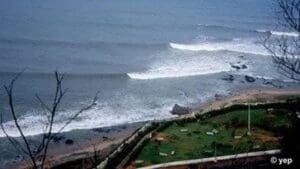
Vizag (Visakhapatnam) – If you are traveling or staying on the east coast of India then you should definitely check out Vizag — a place with big beaches, good hotels, a commercial harbor and some really nice point breaks with good surf— about five in number.
This surf spot was explored a couple of years ago by Anthony Yep Colas [publisher of the popular book “World Storm Rider” and an operator of Surf Tours in the Maldives] along with his friend and accomplished photographer John Callahan. Anthony says they got “epic waves” at Vizag and he has some photos to prove it [see the next edition of “World Storm Rider”]. So this spot is certainly worth a visit.
Dwaraka
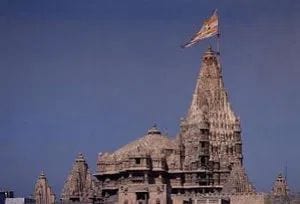
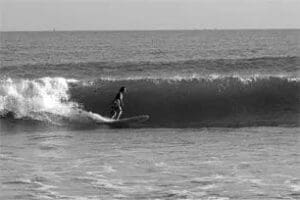
Dwarka is the quintessential experience of the Arabian Sea. At Dwarka, you will find some of the clearest water along the Indian coastline. The town is very ancient and is said to have existed for the past 5,000 years. Parts of the old city are now submerged below sea level and can be seen while scuba diving.
Famous for its temple of Sri Krishna, Dwarka receives several million pilgrims each year. Just north of the temple is a small point break that produces a nice left-hander when the swell is strong from the south. Unique to Dwarka alone, hundreds of pilgrims wander the beaches every day looking for gold nuggets — and they find them! I guess that’s one way to finance your next surf trip!
Jagannatha Puri
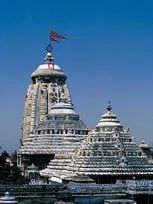
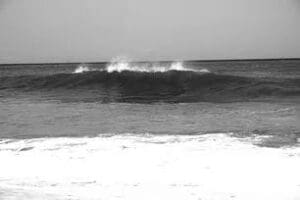
Jagannatha Puri: The beach at Puri is uneventful except for the throngs of pilgrims that gather there each day who have come to see the temple of Jagannatha. Jagannatha is the tallest temple in India and is several thousand years old. Puri is a beach break that stretches for as far as the eye can see with some nice outside peaks. On bigger days [6’-8’] getting through the shore break and strong currents can be a challenge. Getting past that, Puri offers some good waves with absolutely nobody out!
Gokarna
Gokarna is India’s latest hang-out spot [just south of Goa] for backpackers and surf wanderers.
The place is beautifully situated with a foreground of coconut trees and a backdrop of the Sahyadri Mountains. Cheap hotels and camping are available. Waves get good here several times a year but watch out for the shore break or we will have to come out at low tide and dig you out of the sand.
Goa
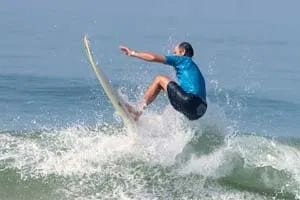
Goa If you have ever read about surfing in India on any other site than this one you have surely read that “There is no surf in India!” That is because most people who have come to India on vacation and looking for a surf at the same time go to Goa during the December, January, and February seasons.
Exactly — there is no surf in India at that time, especially in Goa. But go to Goa at the end of May or the beginning of June and it’s all together a different story. Surf at that time gets between 5 feet and 10 feet! So check out Goa during the right season and you will certainly get some waves.
The Maldives
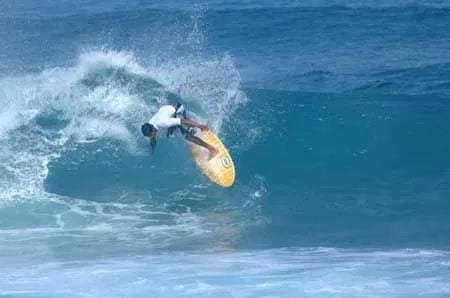
The Maldives is not politically part of India, but they are our very close neighbors [just a short flight from Kovalam Beach, Trivandram]. This is a vacation paradise and surf paradise combined. The best swells run from March to October with the June, July, August and September sessions getting some really awesome waves. The water is warm, crystal clear and there are plenty of coral reefs to surf. The Lohifushi Resort has some great surf and caters to surfers. The resort also operates a boat that takes surfers to other spots on other islands every morning and afternoon.
Without a doubt, two weeks in the Maldives and you are guaranteed to catch some world-class waves. If you are interested in a liveaboard boat trip in the Maldives please contact us for details. We know the best in the business (best boats, guides, and prices).
Diego Garcia Island
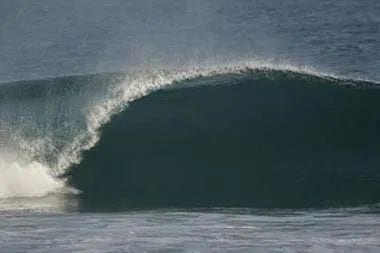
Diego Garcia Island is a very tiny U-shaped atoll that just barely rises above sea level somewhere out there in the middle of the Indian Ocean. The place is home to some of the best surf on the planet and it used to be home to a few thousand people — that was until the British hustled everyone off the islands on the pretense that they wouldn’t be able to live there because there wasn’t enough freshwater. One wonders how the people lived there in the first place.
Anyway, people have been long gone from Diego Garcia since 1964 but since then the British have cut a deal with the United States Navy for a permanent military base and the islands are now a highly restricted area — what we call ‘really private’ surf turf!
Although a restricted area it is still possible to get a clearance from the CO Navy Support Facility at Diego Garcia. But check this out— if you enlist in the US Navy and are stationed at Diego Garcia then you might get the chance to surf some of the best-known waves on the planet. Is it worth it? Talk to your local recruiter and find out?!
Andaman Island Archipelago
The Andaman Island Archipelago is engulfed by the crystal clear waters of the Indian Ocean and although far from the mainland is owned and governed by India. The outer Islands of the Andaman Archipelago are the real find for true adventures, holding hidden treasures for surfing enthusiasts during February, March, April, and May. These are some of the best waves the planet has to offer and they remain un-ridden except by a few blessed surfers who have had the guts and the bucks to go there. This happens to be about the most remote surfing place in the world. Many of these islands are inhabited by primitive peoples [some are headhunters]. Happy surfing in the Andamans and try to stay out of the ‘soup’, literally!
Embark on an unforgettable journey to India’s surf destinations, where the waves, culture, and coastal beauty converge to create an extraordinary experience. Whether you’re a seasoned surfer seeking new horizons or a beginner eager to catch your first wave, India’s surf spots welcome you with open arms and endless adventure. Discover the magic of Indian surf culture, where the ocean’s rhythm becomes your own, and the waves write stories in the sands of time. Get ready to surf the soulful seas of India.